AI Character Image Generator
Character Design With More Creative Freedom
Turn a character in your head into an image you can actually see. Describe their face, hair, clothing, expression, personality, pose, world, and visual style — then keep refining until the character feels like yours.
Character Creation Studio
Create More Than a Good-Looking Character
“A memorable character is not just a face. They have a silhouette. A way of dressing. A certain expression when they are angry. A scar they never explain.”
XPT lets you build those details directly into your prompt. Start with a simple idea such as “a disgraced knight wandering through a frozen kingdom”, or describe the character down to their hairstyle, clothing materials, posture, lighting, camera angle, and emotional state. The more you define, the more intentional your character can become.
What Makes a Character Resonate
Distinct Silhouette & Identity
From bulky power-armor to flowing cloaks and signature weaponry, recognizable outlines anchor the eye.
Layered Emotional Subtext
A guarded gaze, quiet defiance, or weary pride brings emotional weight beyond surface aesthetics.
Lived-In World Details
Tattered hemline threads, battle scuffs, and heirloom jewelry ground the character in their universe.
What Kind of Character Can You Create?
Build characters for fiction, games, roleplay, worldbuilding, comics, and original creative projects.
Original Characters
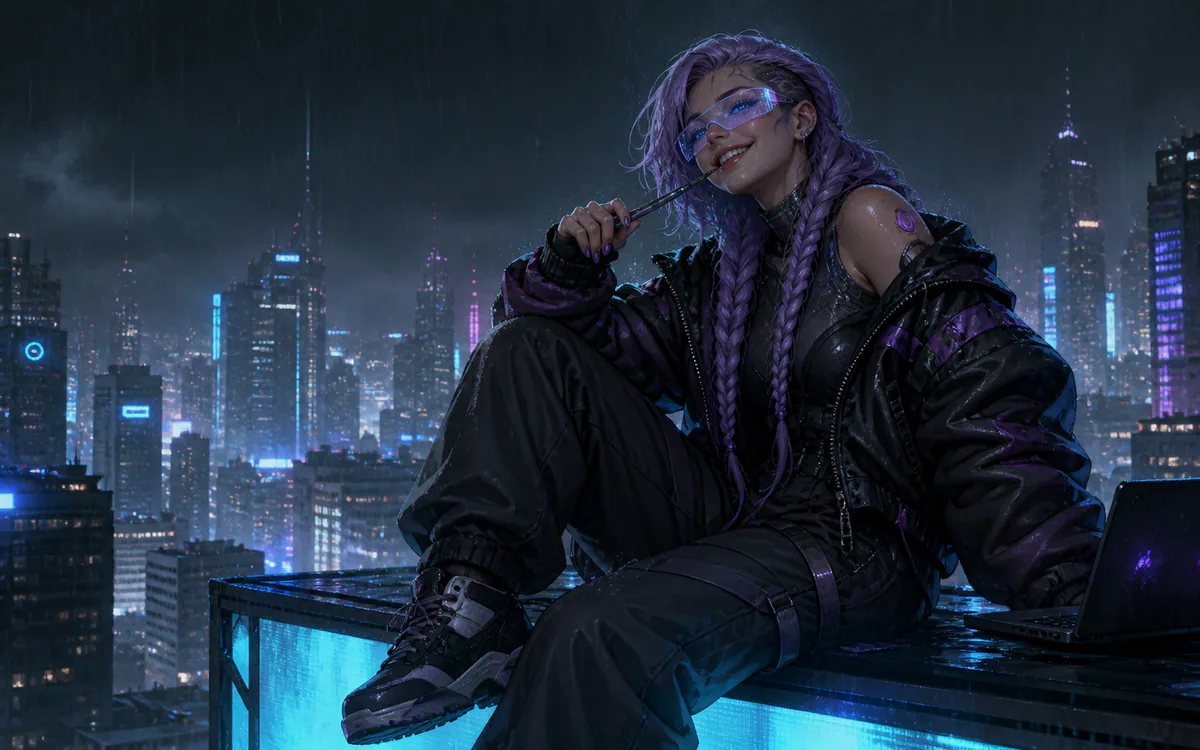
Build an OC from scratch with a distinct face, outfit, personality, background, accessories, and visual identity.
“An original cyberpunk street racer with neon cyan hair, custom embroidered leather jacket, mischievous smirk.”
Anime Characters
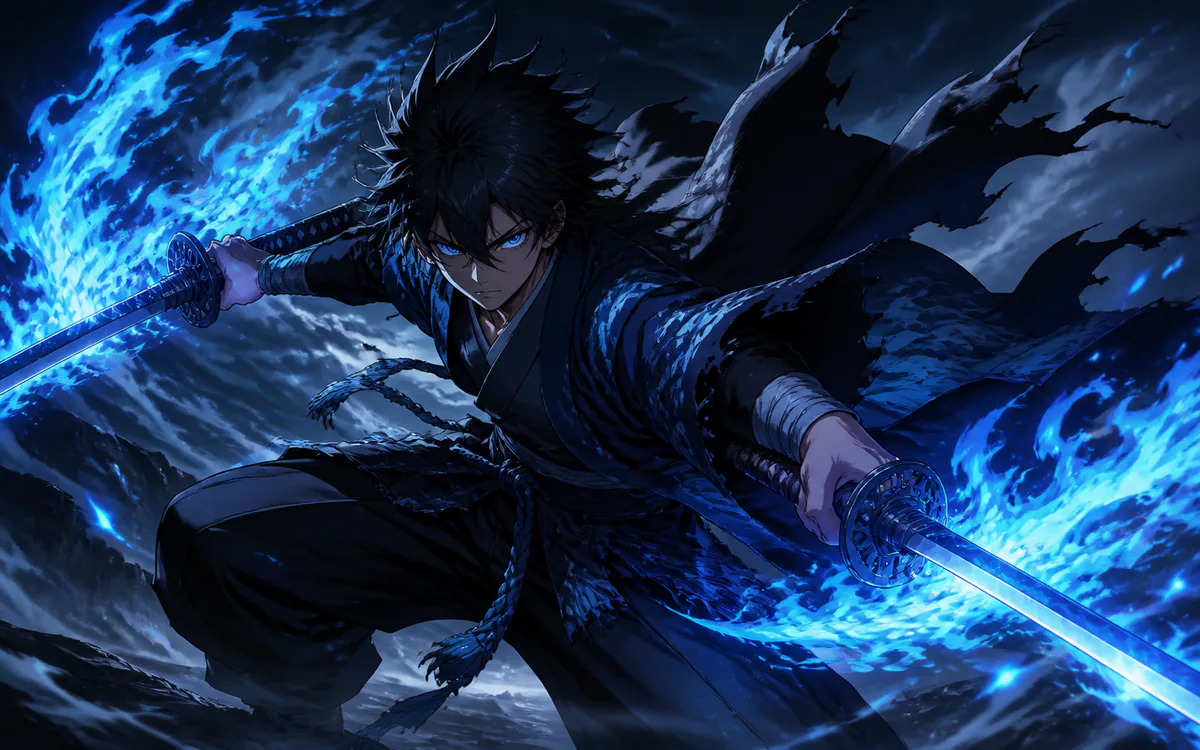
Create expressive protagonists, rivals, villains, warriors, students, supernatural characters, and original personas.
“A prodigy anime summoner in flowing white and gold robes, glowing rune circles hovering above her palms, clean cel shading.”
Fantasy Characters
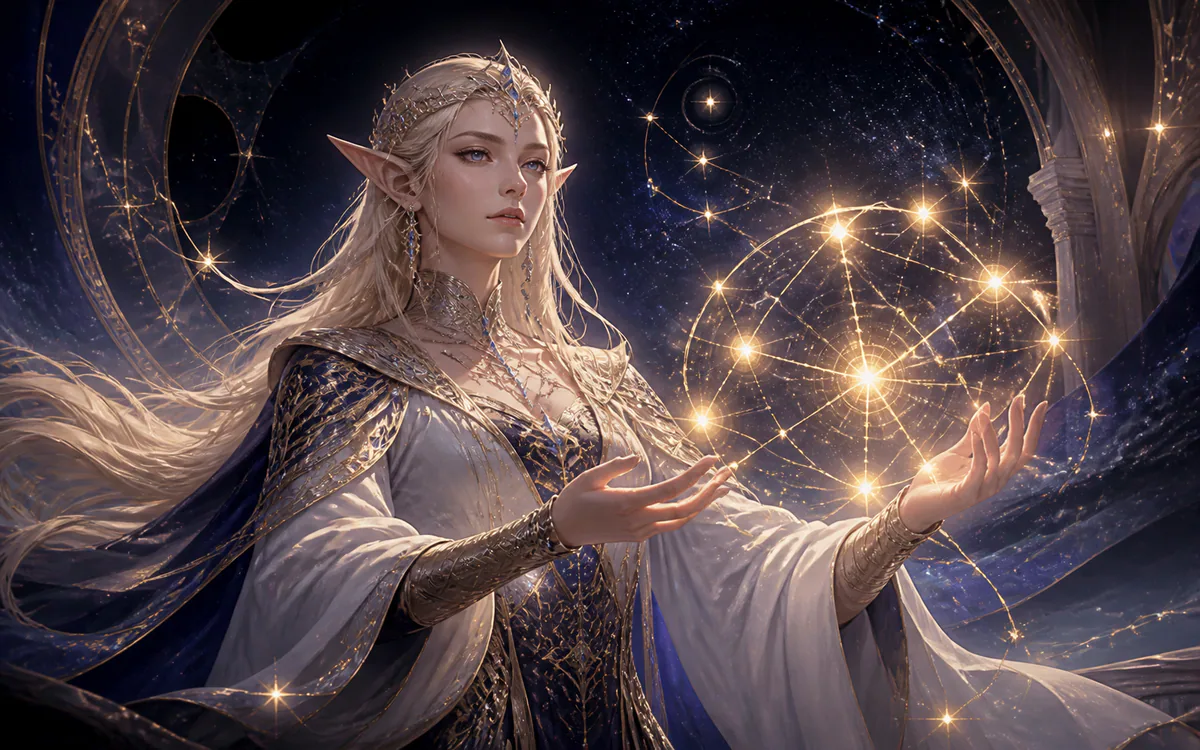
Visualize mages, elves, assassins, demons, vampires, knights, witches, monsters, and royalty.
“A dark sorceress with obsidian crown and velvet robes, casting purple twilight flames, dramatic chiaroscuro lighting.”
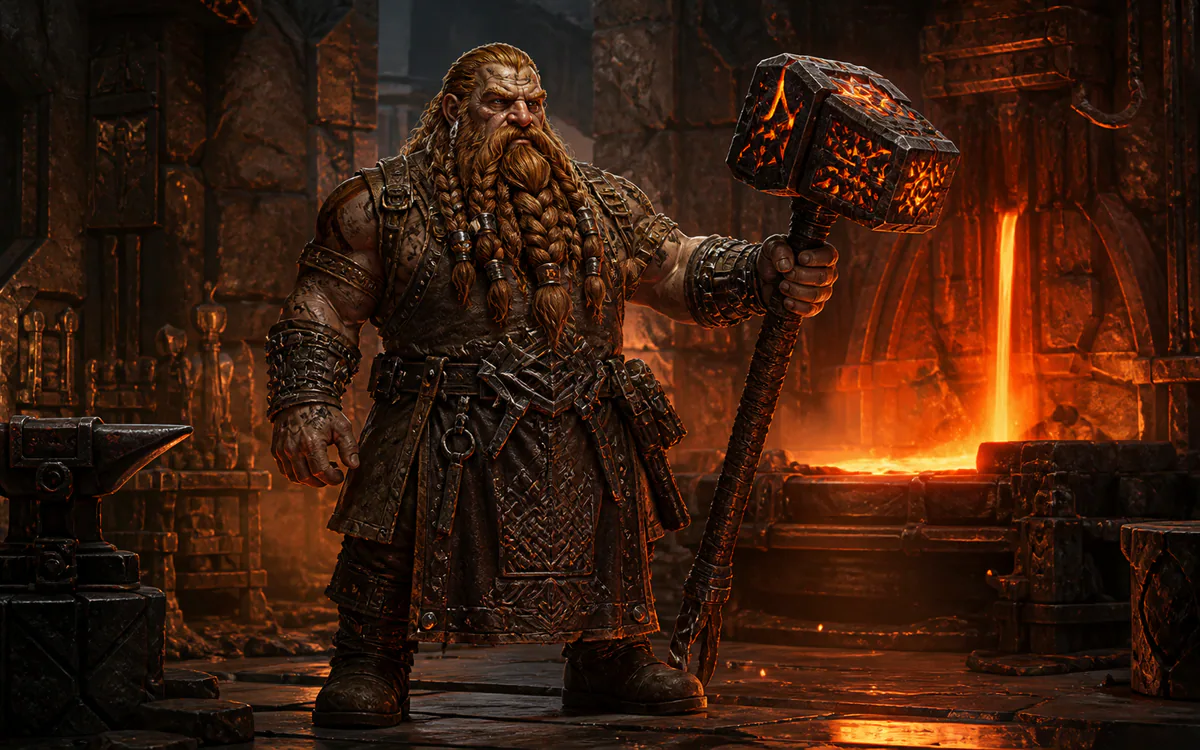
Game & RPG Characters
Design playable heroes, NPCs, party members, bosses, companions, and enemies.
“A grizzled dwarf runecaster with braided copper beard, heavy runic warhammer, forge sparks in background, Unreal Engine render.”
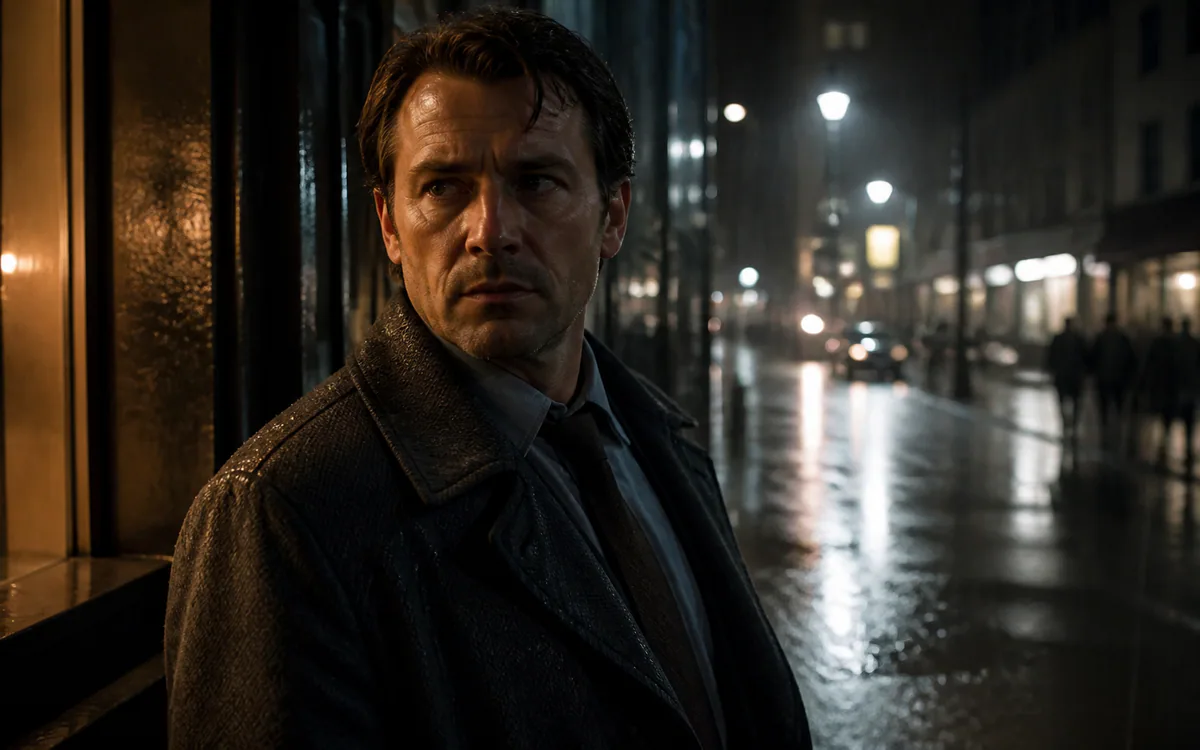
Realistic Characters
Generate cinematic or photographic-looking characters with natural facial features and believable details.
“A 1940s detective in a damp trench coat standing under a flickering streetlamp, cigarette smoke, 35mm film still.”
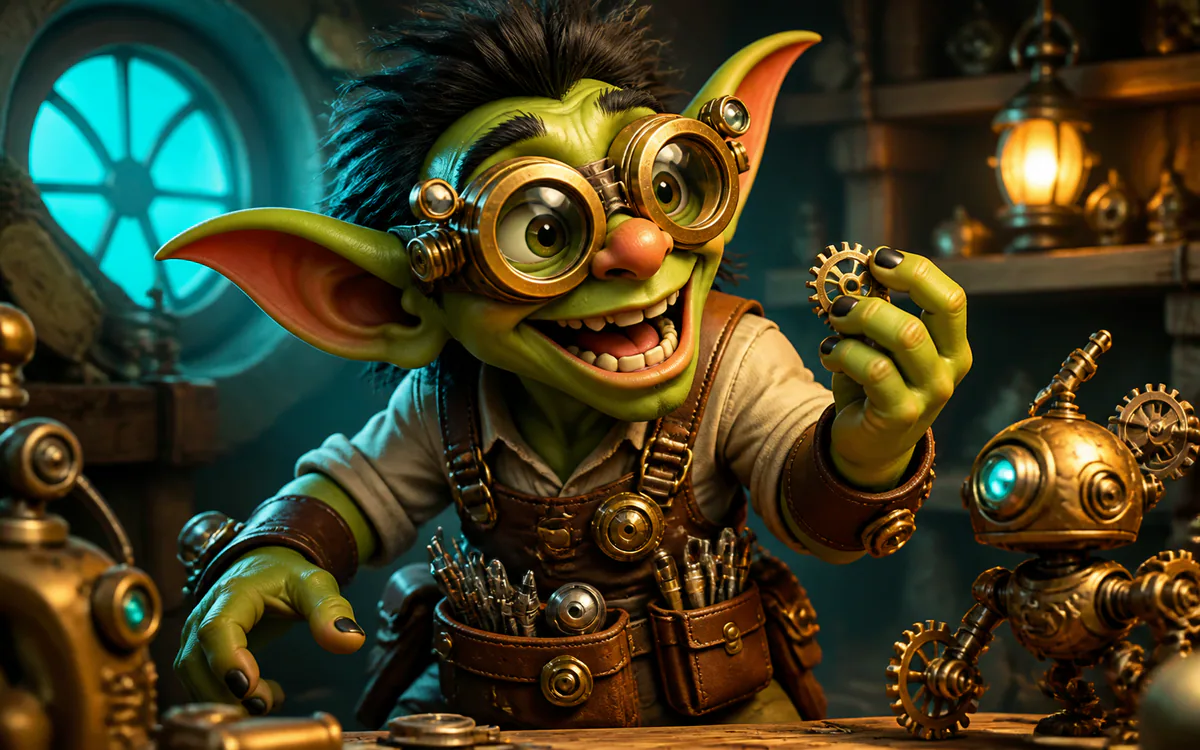
Cartoon & Stylized Characters
Experiment with comic art, cartoons, 3D, retro illustration, dark art, and surreal styles.
“An eccentric potion maker goblin in oversized goggles, vibrant stained apron, Pixar 3D stylized character render.”
Build the Character Around Their Story
Don't describe only what your character looks like. Tell XPT something about who they are.
Appearance
Hair, eyes, facial features, body type, scars, tattoos, age, species, and defining traits.
Clothing
Armor, dresses, streetwear, uniforms, ceremonial clothing, futuristic gear, or completely invented outfits.
Personality
Cold, charming, arrogant, dangerous, mischievous, romantic, rebellious, or quietly confident.
Pose & Expression
Smiling, glaring, running, fighting, sitting, holding an object, or reacting to another character.
World
A neon city, ruined castle, spaceship, battlefield, enchanted forest, nightclub, or Victorian mansion.
Visual Direction
Anime, realistic, cinematic, comic, dark fantasy, cyberpunk, 3D, gothic, surreal, or your own mix.
Mix & Match Character Attributes
Click to assemble identity, signature scars, apparel, emotional setting, and art direction into a complete prompt in real time.
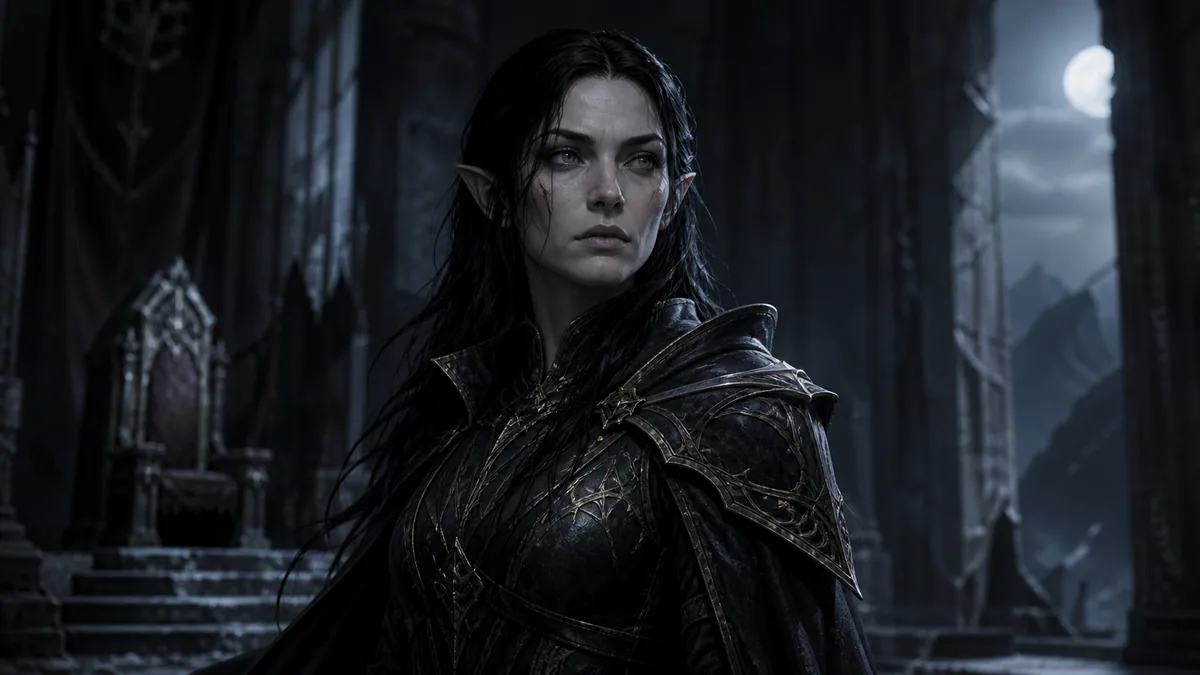
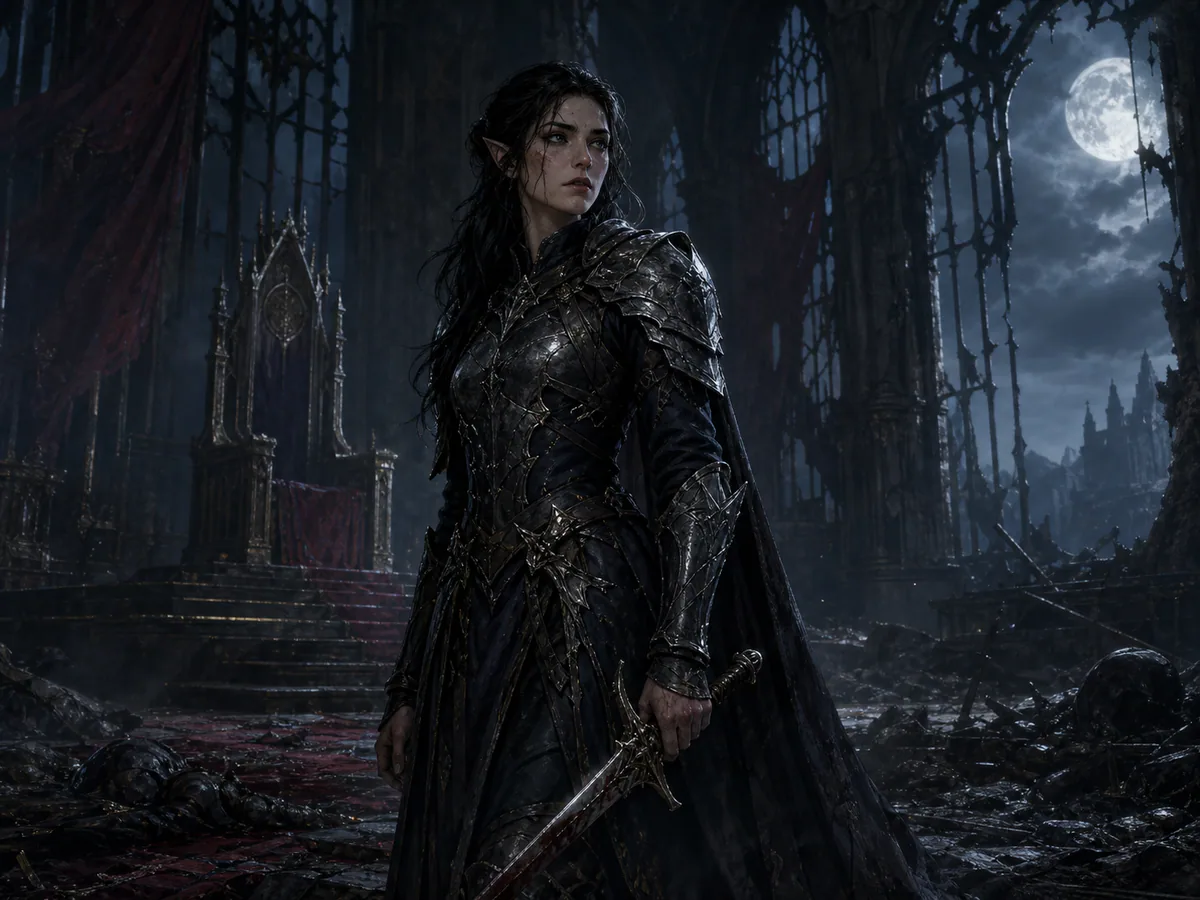
“An exiled elven commander in her early thirties, sharp silver eyes, long black hair, thin scar across left cheek, worn dark ceremonial plate armor with tarnished filigree, standing inside an abandoned throne room after battle, controlled exhausted expression, cold moonlight through broken windows, dark fantasy concept art, dramatic rim lighting, atmospheric depth, detailed oil texture.”
How to Create an AI Character Image
Go from a rough idea to a character you recognize in three simple steps.
Describe Your Character
Add appearance, clothing, personality, setting, and visual style. Start simple or write a complete character brief.
Generate the Character
Turn the description into a visual concept. Check whether the face, outfit, mood, atmosphere, and personality feel right.
Refine the Character
Change the expression, hairstyle, outfit, age, setting, pose, or visual style until the design fits your idea.
Why Create Characters With XPT?
Character design is rarely one prompt and one answer. Explore different directions without losing the idea that made the character interesting.
More Creative Freedom
Explore darker fiction, unconventional aesthetics, strange creatures, complicated personalities, and unusual creative directions.
Character-First Prompts
Build around identity, history, personality, relationships, clothing, props, and emotional state.
Explore Different Versions
Test new outfits, moods, roles, environments, ages, and visual styles.
Simple or Detailed
Start with “lonely space pirate” or write a complete visual design brief.
Built for Storytelling
Use characters in stories, novels, games, RPG campaigns, comics, roleplay, and worldbuilding.
Keep Iterating
Treat the first result as exploration and keep changing details until it feels right.
Four Ways to Use an AI Character Image Generator
Use character generation as part of your creative process, not just as a standalone image maker.
Visualize Characters Before You Write
Turn personality and story notes into a visual reference before writing the next scene.
“A weary royal detective in a rain-slicked Victorian street, oilskin coat, observant grey eyes, holding a brass pocket watch.”
Design Characters for Games and RPGs
Explore protagonists, NPCs, enemies, companions, bosses, and party members.
“A cyber-augmented bounty hunter with glowing orange ocular implant, worn ballistic jacket, dual energy daggers.”
Build an Original Character
Experiment with hair, clothing, accessories, expressions, themes, and alternate versions.
“An energetic sky pirate girl with goggles perched on wild chestnut hair, brass mechanical arm, confident grin.”
Explore Roleplay Personas
Give fantasy, romance, sci-fi, supernatural, historical, and original personas a face.
“A mysterious tavern bard with indigo hair, velvet cloak, silver lute, subtle knowing smirk under dim candlelight.”
One Character, Many Possible Versions
The first design is only one possibility. Keep the core identity, then change the scene, clothing, emotion, role, age, or style.
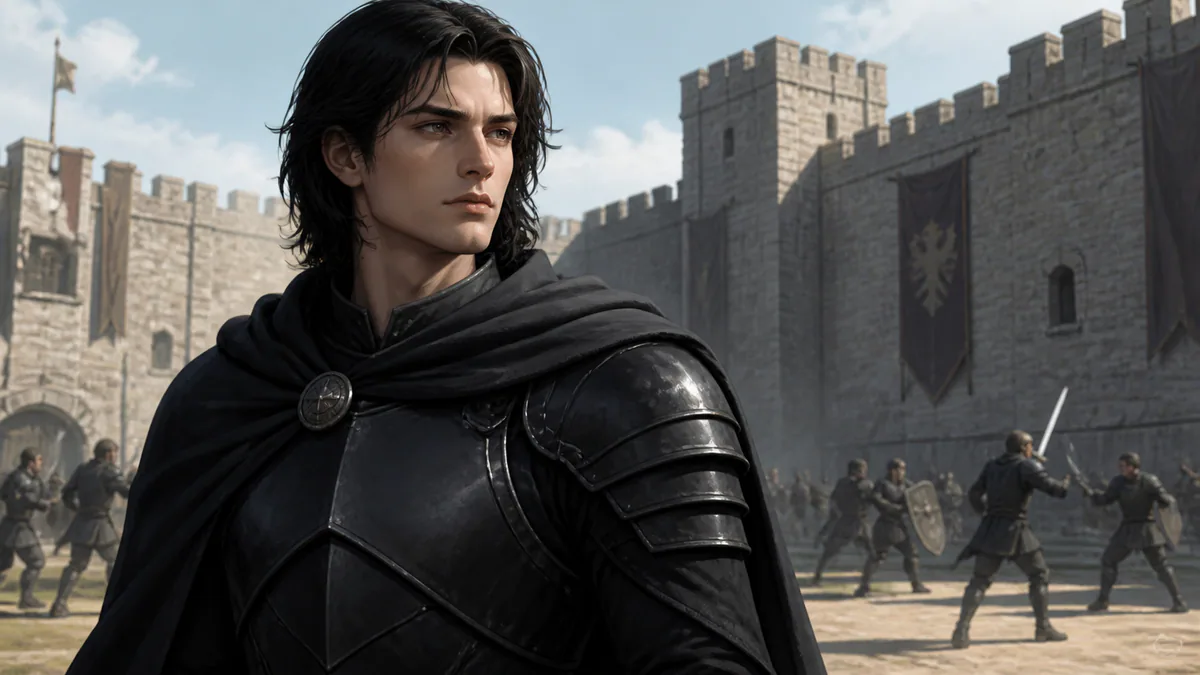
What would they look like ten years earlier?
Narrative Direction: Remove battle scars, lighten armor wear, describe a younger, more idealistic facial expression and apprentice gear.
Write Better AI Character Prompts
Strong prompts are not necessarily longer. They simply give the model more useful information.
Six Questions to Strengthen Your Character Prompt
Who are they?
Role, archetype, occupation, species, or story role.
What makes them recognizable?
Hair, eyes, scars, tattoos, clothes, weapons, and accessories.
How do they feel?
Expression, posture, eye contact, mood, and body language.
Where are they?
Give the character an environment that supports the story.
How should it look?
Style, lighting, framing, realism, atmosphere, and composition.
What should stay consistent?
Keep the visual anchors that make the character recognizable.
Copy-and-Adapt AI Character Prompt
Use this complete character prompt as a starting point and adapt every field to your idea.
“Elven commander in her 30s, Sharp silver eyes and a cheek scar, Worn dark plate armor with filigree, Cold, disciplined, quietly compassionate, Controlled exhaustion, Standing with direct eye contact, Ruined throne room, Dark fantasy concept art, Cold moonlight, Full-body character concept.”
Tips for Better Character Images
Five field-tested principles to transform flat character descriptions into vivid, story-driven portraits.
Give the Character One Memorable Detail
A scar, unusual necklace, hairstyle, eye color, weapon, or clothing detail can make a character feel less generic.
Describe Personality Visually
Instead of just saying “confident,” describe direct eye contact, relaxed posture, or a deliberate stance.
Change One Thing at a Time
Adjust hair, clothing, expression, pose, or environment individually when the character is already close.
Separate Character From Art Style
Decide who your character is first, then experiment with anime, realistic, comic, cinematic, or other visual styles.
Use the Scene to Tell Part of the Story
A character standing alone in a kitchen at midnight communicates something very different from the same character on a battlefield.
AI Character Generator vs. General AI Image Generator
AI Character Image Generator
Starts with “Who is this character?” and focuses on appearance, personality, clothing, expression, pose, identity, and recognizable visual traits.
- Focuses on facial features, eye expression, and silhouette
- Encourages nuanced emotional states and body language
- Preserves character continuity across outfits and scenes
- Tailored for writers, game masters, roleplayers, and OC artists
General AI Image Generator
Starts from a broader visual idea and can generate landscapes, scenes, objects, architecture, posters, products, abstract artwork, characters, and more.
- Generates landscapes, architecture, abstract art, and products
- Treats human figures often as generic scene background elements
- Less emphasis on character backstory and specific facial anchors
- Best suited for general posters, wallpapers, and conceptual artwork
Frequently Asked Questions
An AI Character Image Generator turns a written character description into a visual image. Describe appearance, clothing, personality, expression, pose, environment, and visual style to guide the result.
Give Your Character a Face
Start With One Idea
Generate the face. Change the clothes. Test another expression. Put them somewhere they do not belong.
Build your character one decision at a time.