Make appearance reveal character
Create visual details that suggest history, status, habits, or conflict. A polished uniform, bitten nails, a repaired sword, or an immaculate pair of shoes can tell the reader more than a generic list of features.

Turn a rough idea into a character who feels specific, consistent, and ready to enter the story. Describe what you know—or begin with a single intriguing detail—and XPT will help you develop appearance, personality, motives, flaws, backstory, and voice.
An AI character description generator turns a short creative brief into a fuller portrait of a fictional person. Instead of stacking random traits, XPT helps connect the character’s outward details with their inner tensions: what they want, what they fear, what they hide, and how those forces shape the way they speak and act.
Use the first result as a draft, not a cage. Keep what feels alive, remove what does not fit, and ask follow-up questions until the character belongs to your world.
Create visual details that suggest history, status, habits, or conflict. A polished uniform, bitten nails, a repaired sword, or an immaculate pair of shoes can tell the reader more than a generic list of features.
Memorable characters rarely fit one adjective. Combine traits that create pressure: generous but controlling, fearless in public but superstitious in private, disciplined until family is involved.
Develop a goal the character actively pursues, a flaw that complicates the pursuit, and consequences that matter. This creates material for scenes instead of a profile that sits outside the story.
Explore vocabulary, rhythm, humor, restraint, and verbal habits. You can ask XPT to rewrite the same character in a sharper, warmer, darker, more comedic, or more genre-specific voice.
Bring appearance, values, history, relationships, and behavior into one coherent description. When something clashes, turn it into an intentional secret or contradiction rather than an accident.
Do not stop at the first output. Challenge a cliché, deepen a motive, test the character in a scene, or ask what they would never admit. XPT is built for creative exploration that can keep moving as your idea changes.
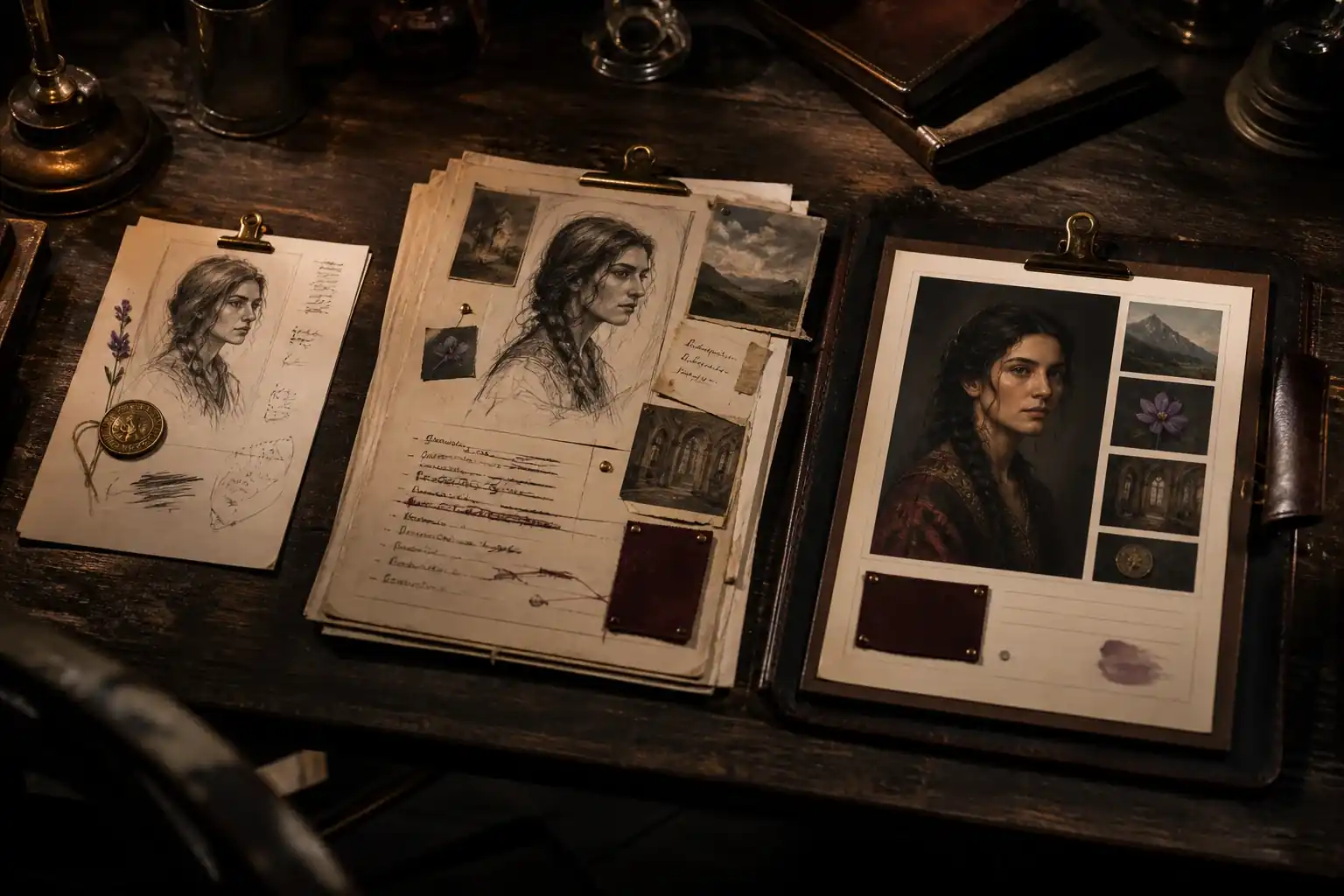
Enter the character’s role, desire, and one unusual detail. If you know the genre or setting, include it so the description fits the world.
Read the draft for details that create a clear image or tension. Keep the strongest elements, then identify anything vague, predictable, or inconsistent.
Ask for changes in tone, depth, point of view, or emphasis. You can request a compact introduction, a complete profile, a role-play persona, or a version tailored to a specific scene.
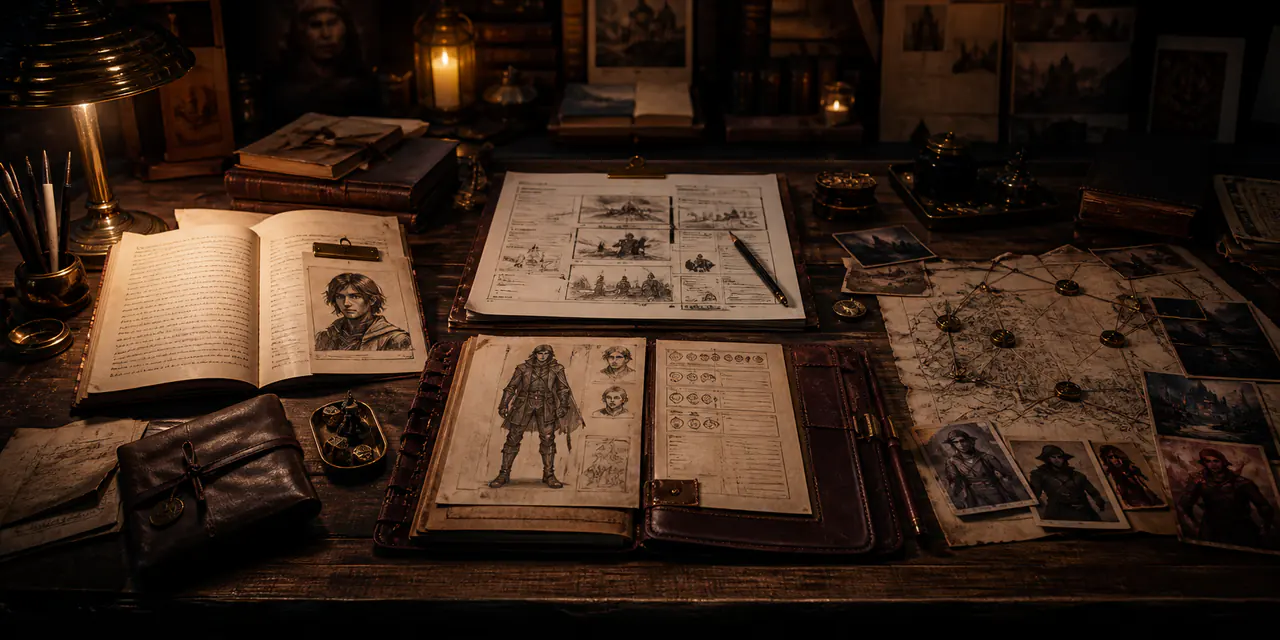
Create protagonists, antagonists, side characters, and scene-ready introductions without losing the freedom to revise the character as the plot evolves.
Develop concise profiles that clarify behavior, conflict, relationships, and voice for scripts, podcasts, and dialogue-led projects.
Build NPCs, party members, rivals, quest-givers, and villains with goals and role-play hooks that can generate choices at the table.
Expand an OC concept, explore alternate versions, or organize scattered ideas into a usable description while keeping your own creative direction in control.
A strong description is selective. It does not explain everything about a person; it chooses details that shape the reader’s first impression and create questions worth following.
Aim to include:
A visible signal:a feature, object, posture, or habit the audience can picture
A dominant impression:the feeling the character creates on arrival
A contradiction:two qualities that pull against each other
An active desire:something the character wants enough to make choices
A source of pressure:a fear, flaw, secret, duty, or relationship
A story connection:a reason this person matters in the present scene or plot
The best details do more than decorate. They reveal something, misdirect the audience, create conflict, or foreshadow a later choice.
After generating the first description, continue with questions like these:
Rewrite this description from the rival’s point of view.
Replace the most predictable trait with a believable contradiction.
What does this character want people to notice first?
What detail would a close friend notice that a stranger would miss?
Give this character a secret that complicates their main goal.
How does their voice change when they are afraid but hiding it?
Put the character under pressure and show their flaw through action.
Create three possible backstories that explain the same visible habit.
Condense the profile into a 100-word scene introduction.
Turn the description into role-play notes with goals, boundaries, and dialogue cues.
Generated descriptions can contain clichés, contradictions, or details that do not fit your setting. Review the result before using it in a published story, game, or public character profile. Check cultural details, real-world references, and sensitive portrayals carefully, and rewrite anything that reduces a character to a stereotype.
Your strongest character will come from selection and revision: use XPT to open possibilities, then make the final decisions yourself.
Prompt
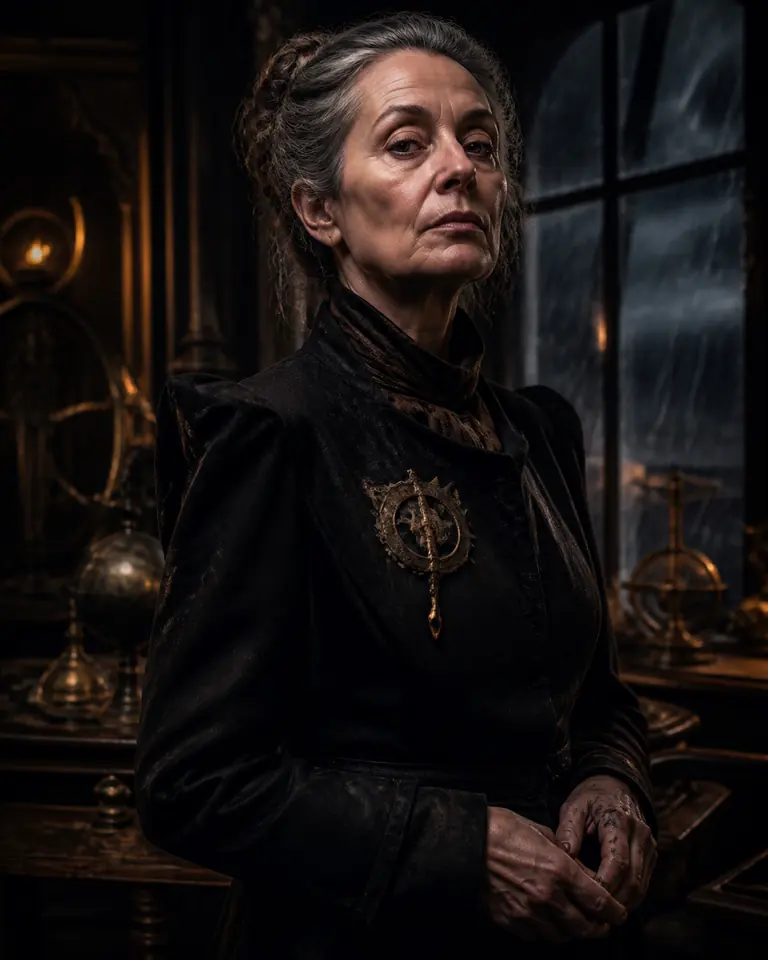
A disgraced palace astronomer in her sixties who predicts disasters accurately but lies about how she receives the visions. She is proud, impatient, and protective of apprentices.
Example direction
Focus the description on the contrast between her severe public manner and the quiet rituals she uses to protect younger scholars. Connect her ink-stained hands, sleepless habits, and damaged court insignia to her past.

Prompt
A habitat administrator on a failing lunar colony who genuinely believes strict control is the only way to save everyone. Calm voice, immaculate appearance, terrified of open space.
Example direction
Avoid a one-note villain. Show how competence, fear, and moral certainty make this character both useful and dangerous.

Prompt
A neighborhood baker who remembers every customer’s favorite pastry but repeatedly forgets important dates in their own life. Dry humor, conflict-avoidant, secretly preparing to leave town.
Example direction
Use small social behaviors and sensory details rather than explaining every emotion. Let the planned departure create tension beneath the character’s warmth.

Prompt
A half-orc diplomat who treats every negotiation like a formal duel. Elegant, observant, slow to trust, and unable to resist adopting stray animals.
Example direction
Include role-play hooks: a verbal habit, a boundary, a private soft spot, a reason to join the party, and one choice likely to cause trouble.
An AI character description generator turns a short prompt into a fuller fictional character description. Depending on your prompt, the result can cover appearance, personality, motivation, flaws, backstory, relationships, voice, and a role in the story.
Start with the character’s role, genre or setting, main desire, and one distinctive detail. Add appearance, personality, conflict, or tone if those elements matter to your project. You can begin with very little and develop the rest through follow-up prompts.
Yes. The same workflow can help shape original characters, RPG characters, NPCs, role-play personas, fictional chat characters, and cast members for stories or games. Tailor the requested format to where the character will be used.
Yes. Ask for a structured profile with sections such as appearance, personality, motivation, flaw, backstory, relationships, skills, secrets, and dialogue style. You can also request a short paragraph when you only need an introduction.
Include a contradiction, a concrete desire, a meaningful object or habit, and a consequence for failure. Name the genre and tone, then ask the generator to replace clichés with details that could only belong to this character and world.
Yes. Treat the first description as a starting point. Ask XPT to preserve selected details while changing the tone, history, role, point of view, length, or level of complexity.
It can, but it does not have to. A concise description may only suggest the past through visible details and behavior. For a complete profile, request a backstory and explain which present-day choices it should influence.
Yes. Give the character a goal they can justify, values they refuse to betray, and a cost they are willing to impose. This usually creates more depth than describing someone as simply evil.
Review and edit every result. Remove stereotypes, verify real-world cultural or historical details, and make sure the final character fits your audience, setting, and creative intent. Do not use a fictional profile to impersonate or misrepresent a real person.
Begin with a name, a contradiction, a secret, or a single visual detail. XPT will help you push the idea further—then you decide who the character becomes.